Explore the collections
Over 1.1 million items exploring art, health, culture and what it means to be human.
Browse by theme
Childbirth
Explore all aspects of childbirth, from medical and obstetric texts and illustrations to historical depictions of women in labour with their attendants.
Florence Nightingale
Notes, letters and sketches document the lasting impact, through hygiene and data-driven reform, of Florence Nightingale (1820–1910) on healthcare worldwide.
Poetry
Poems in the collection give voice to personal experiences of health, healing and being human.
Amedeo John Engel Terzi
Vivid medical and zoological drawings by the prolific illustrator and entomologist A J E Terzi (1872–1956).
Anatomical fugitive sheets
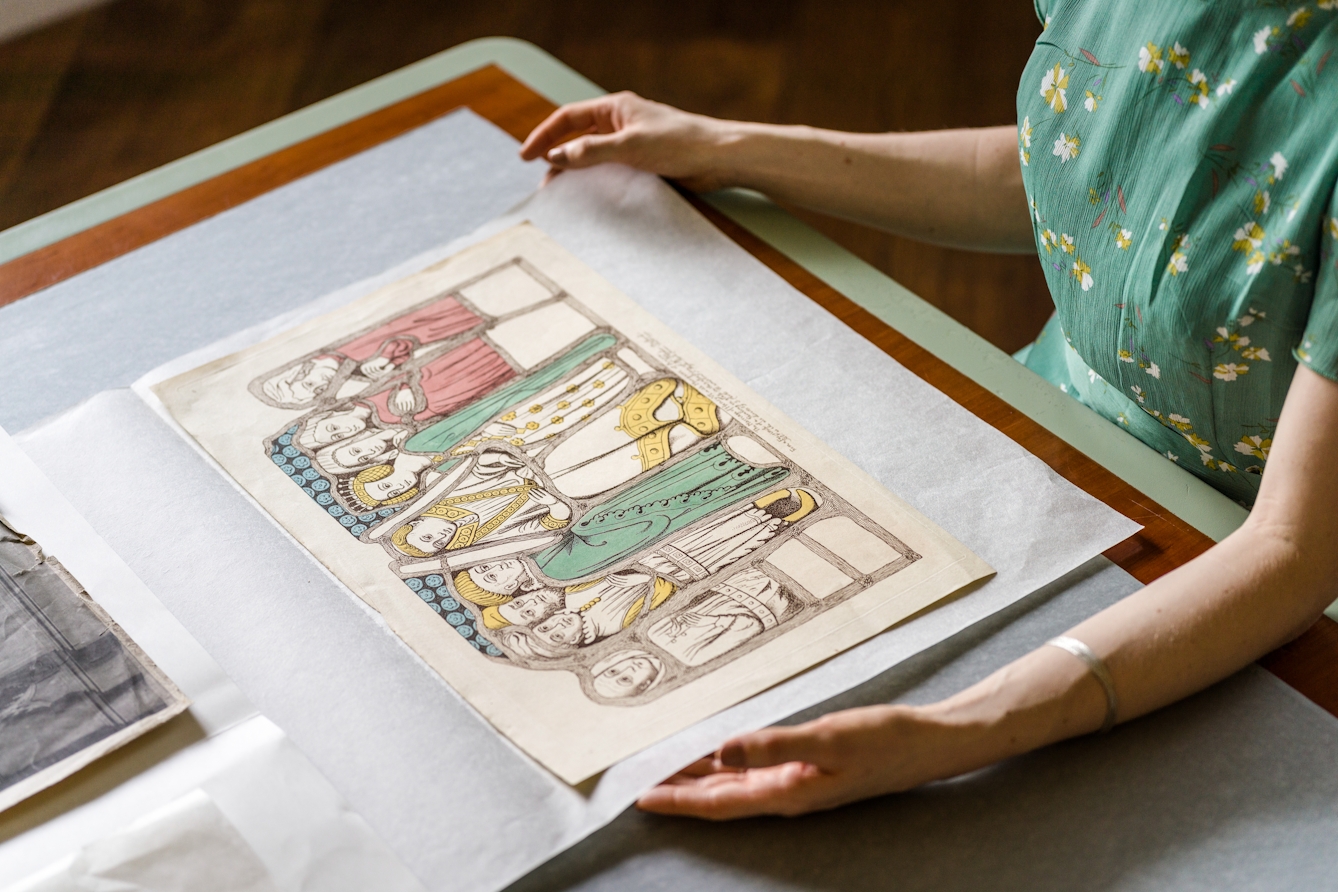
First popularised in the 16th century, these interactive illustrations use ingenious layers or flaps to depict internal anatomy.
Mental health
Items tracing the development of our understanding of mental health including personal expressions of mental illness.
India
Our South Asian collections include historical manuscripts in the region’s many languages, documents from the British Raj, and contemporary public health materials.
Astrology
Manuscripts, images and books from around the world that focus on the relationship between astrology and health through the ages.
Mexico
Mexico’s medico-cultural history is shown through paintings, artifacts, Aztec figures, legal documents and pharmaceutical advertisements.
New online
- Books
Words at work
O'Donnell,Lucy
- Archives and manuscripts
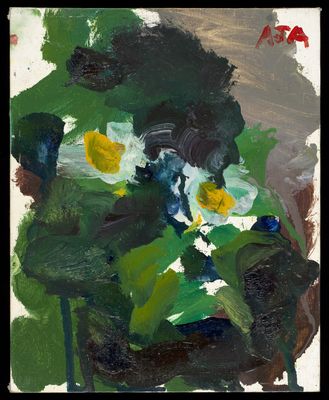
Dahlias
Part of: Audrey Amiss Archive
Amiss, Audrey, 1933-2013
Date: 1986
- Pictures
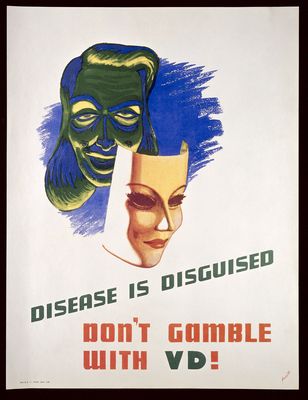
Disease is disguised. Don't gamble with VD!.
Forsyth, active approximately 1946
Date: [1946?]
- Archives and manuscripts
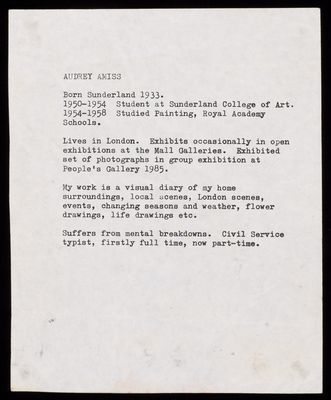
Audrey Amiss: Exhibition price lists and posters
Part of: Audrey Amiss Archive
Date: 1986-1998
Access the collections online or in-person
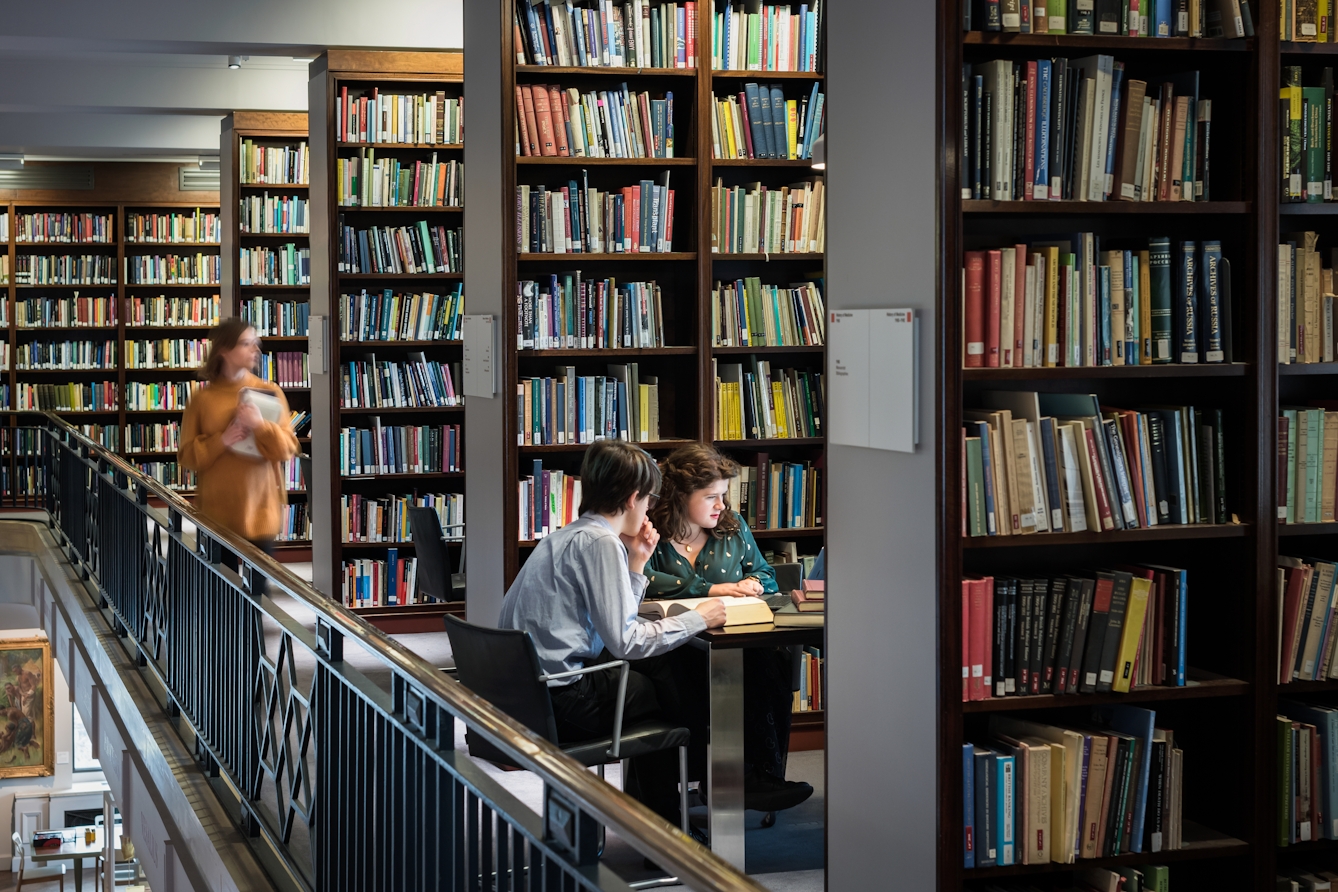
Thousands of digitised materials are readily available online for you to explore and download under a range of free licenses. You're welcome to visit the library in person to browse the shelves or request to view an item in our Rare Materials Room.
Learn more about the libraryDevelopers and digital researchers can also access the collections catalogue data through open APIs.
Inside our collections
Explore stories inspired by the objects, manuscripts and archives in our collection.
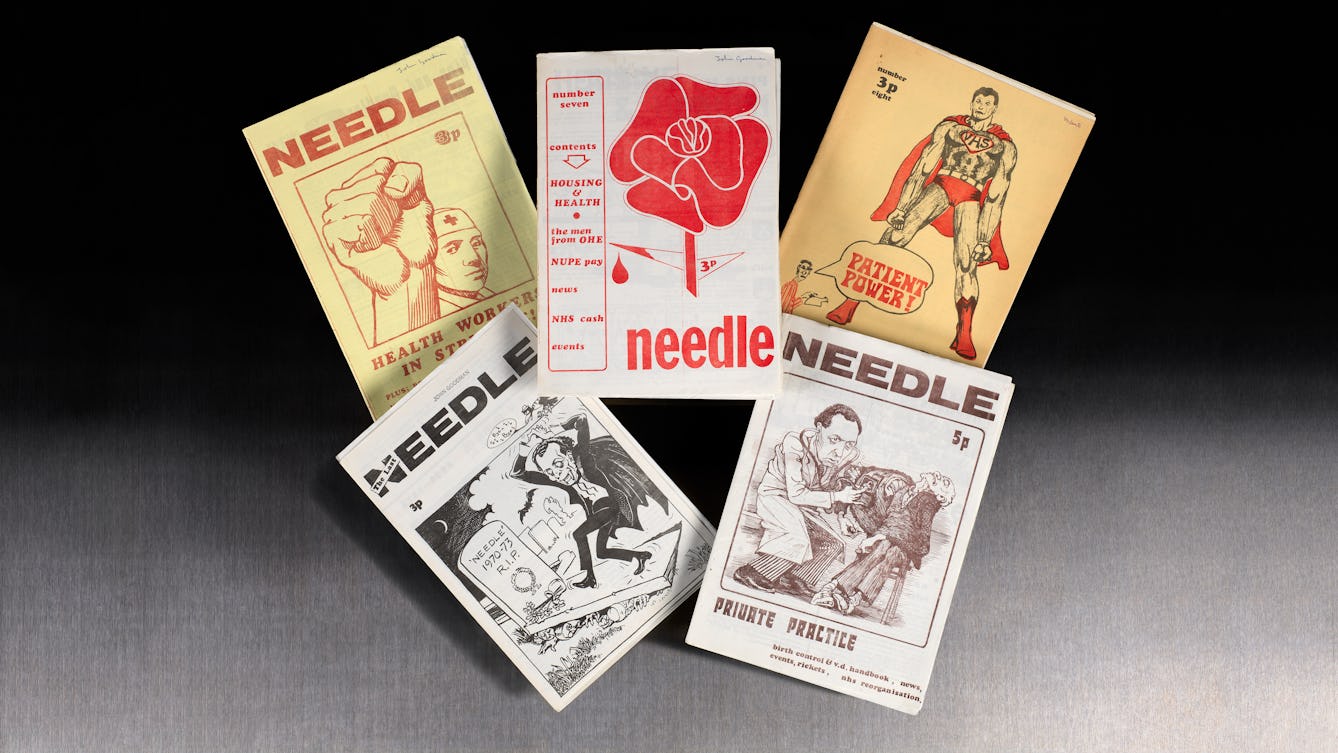
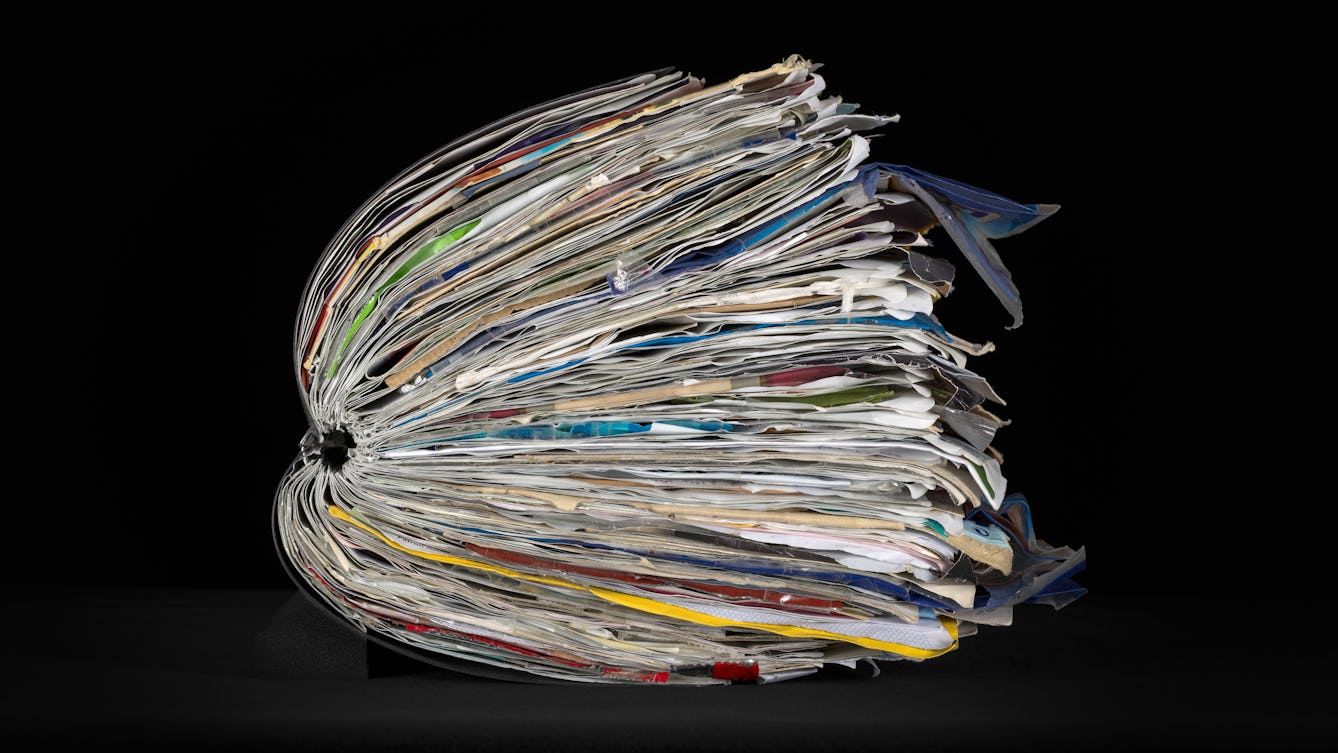
Types of materials in the collections


About our collection
Our collections are an incredible resource for all kinds of research. They were first assembled in the early 20th century during a time when racist, sexist and ableist ideas shaped how culture was valued. We are now working to change how we manage and use these collections.